Apple Go Font: Friendly Script Handwritten Typography for Web Design
Apple Go for Wedding Invitations and Elegant Digital Branding
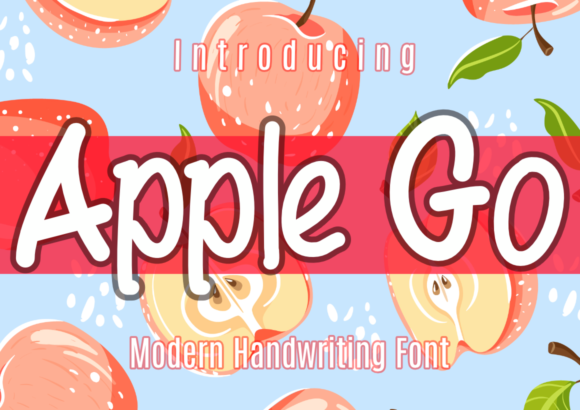
Apple Go is a cute and casual handwritten font with an incredibly friendly feel that serves as a powerful asset for web designers crafting emotional digital experiences. When integrating Script Handwritten styles into wedding invitation websites or luxury event landing pages, this typeface bridges the gap between traditional stationery art and modern screen readability. As digital product creators, we understand that the typography chosen for a wedding microsite sets the immediate tone for the entire brand experience. Apple Go provides that authentic, hand-lettered aesthetic without sacrificing the clean lines necessary for high-resolution displays and responsive mobile layouts.
For UI designers working on bridal e-commerce stores or event planning portfolios, using Fonts like Apple Go in hero sections creates an instant emotional connection with visitors. The font’s organic flow mimics personal correspondence, which increases perceived value and trust in premium service offerings. Unlike rigid display fonts, Apple Go allows for a softer visual hierarchy that guides users gently through content rather than demanding attention aggressively. This makes it ideal for "Save the Date" digital announcements, RSVP form headers, and testimonial sections where authenticity is paramount. By leveraging this specific script style, designers can replicate the warmth of physical paper goods within a pixel-perfect web environment, ensuring the digital identity remains consistent with printed collateral.
Enhancing Online Store Banners and Product Launch Graphics
Apple Go excels in commercial web environments where approachability drives conversion, particularly when used in online store banners and promotional graphics. For SaaS founders and boutique owners, standard sans serif fonts can sometimes feel too clinical or corporate; introducing Apple Go as a secondary display font injects personality and humanizes the brand interface. When designing sale badges, limited-time offer overlays, or new arrival notifications, this Script Handwritten typeface draws the eye naturally due to its unique texture and rhythm. It functions exceptionally well as an accent element against structured grid layouts, breaking up visual monotony and encouraging users to pause and engage with specific content blocks.
Digital marketers utilizing Apple Go for social media ad creatives and email marketing headers will find that its casual legibility performs well across various platforms. The font maintains its integrity even when scaled down for Instagram stories or mobile banner ads, provided there is adequate negative space surrounding the letterforms. In e-commerce contexts, pairing Apple Go with a robust geometric sans serif for pricing and technical details ensures that while the emotional hook is handwritten, the transactional information remains crisp and accessible. This strategic contrast supports both brand storytelling and functional usability, creating a balanced user interface that feels curated yet commercially viable.
Optimizing Readability and Visual Hierarchy with Apple Go
While Apple Go is a cute and casual handwritten font with an incredibly friendly feel, web designers must apply specific typographic best practices to maintain accessibility and performance. Script Handwritten fonts often present challenges regarding line height and character spacing on digital screens, so adjusting CSS properties like line-height and letter-spacing is essential when deploying Apple Go in web projects. For optimal readability, reserve this typeface for short-form content such as headlines, pull quotes, and decorative labels rather than extended body paragraphs. This restraint preserves the font’s charm and prevents cognitive load from increasing during navigation or reading tasks.
When implementing Fonts like Apple Go in responsive designs, testing across multiple viewport widths is non-negotiable. On mobile devices, intricate script details can blur or become illegible if the base size is too small. A practical guideline is to set a minimum font size of 24px for mobile headings using Apple Go to ensure the authentic stroke weight translates clearly to smaller screens. Additionally, consider color contrast ratios carefully; light-colored scripts on white backgrounds often fail WCAG accessibility standards. Using Apple Go in darker hues against light backgrounds, or vice versa, ensures that the friendly aesthetic does not compromise inclusive design principles. Proper optimization transforms this decorative asset into a functional component of a high-performance website.
Strategic Font Pairing for Modern Web Interfaces
Apple Go achieves maximum impact in web design when paired thoughtfully with complementary typefaces that ground its playful energy. As a primary display font, Apple Go requires a neutral partner to establish a professional visual hierarchy suitable for business websites and digital products. Pairing it with a clean sans serif font like Inter, Montserrat, or Open Sans creates a harmonious balance between creativity and clarity. The sans serif handles navigation menus, body copy, buttons, and footer links, allowing Apple Go to shine exclusively in areas meant to evoke emotion or highlight key messages. This combination is particularly effective for coaching websites, creative portfolios, and lifestyle blogs where the brand voice is personal but the delivery must be polished.
For more editorial or traditional digital identities, combining Apple Go with a classic serif font adds a layer of sophistication and timeless elegance. This pairing works beautifully for heritage brands, artisan shops, and literary sites where the goal is to blend nostalgia with contemporary web standards. The serif provides structural stability and excellent readability for long-form content, while Apple Go acts as a stylistic garnish in drop caps, sidebar widgets, and section dividers. Web designers should also explore available alternates and ligatures within the Apple Go font files to add variety to repeated words or phrases. Utilizing these OpenType features prevents the script from looking repetitive in dynamic web templates, ensuring every instance feels intentionally placed and authentically rendered.
Licensing Apple Go for Commercial Web Projects and Templates
Before integrating Apple Go into client websites, landing pages, or digital templates, verifying the correct commercial font licensing is a critical step for professional integrity. Fonts designated for personal use often do not cover web embedding via @font-face, server-side PDF generation, or inclusion in resaleable digital products like Canva templates or WordPress themes. Web designers and agency owners must secure a license that explicitly permits the intended usage scope, including pageview limits for webfonts and distribution rights for bundled assets. Investing in the proper commercial license for Apple Go protects both the designer and the client from legal complications while supporting the original type designer’s work.
When delivering final web projects, providing clients with documentation regarding their Apple Go license fosters transparency and long-term trust. Explain that the friendly, authentic feel of their new site relies on this specific Script Handwritten asset and outline any renewal requirements or scaling costs associated with increased traffic. For digital product creators selling templates featuring Apple Go, ensure the end-user license agreement (EULA) clearly states whether buyers need to purchase their own separate license or if one is included. Clarifying these terms upfront prevents support issues and ensures that the beautiful stationary art aesthetic translates legally and ethically into the digital marketplace. Proper licensing management is as vital to web typography as kerning and leading, forming the foundation of sustainable design practice.